
How Often Should You Wash Your 4WD, Boat or Caravan?
A fixed fortnightly or monthly wash schedule sounds useful, but it ignores the biggest factor: exposure. A 4WD that has just left the beach needs attention sooner than one sitting in a dry garage. A boat used in saltwater needs a post-trip routine that a stored freshwater boat may not.
The right schedule follows conditions, not the calendar alone.
Wash immediately after high-risk exposure
Saltwater, beach sand, tidal mud and heavy clay should be removed as soon as practical. These materials settle into seams, cavities, wheel arches, trailers and underbody areas. Once dry, they can become harder to shift and may hold moisture against the surface.
The Australasian Corrosion Association explains that damp dirt can keep corrosion active after the rest of a vehicle appears dry. It recommends removing caked-on mud from wheel arches, sills and the underside, particularly after beach or dirt-road use.
For boats and PWCs, follow the engine manufacturer’s flushing procedure after saltwater use. Wash the trailer as well as the vessel.

4WD wash frequency
After beach driving
Complete the wash after every trip. Include accessible chassis sections, the underbody, wheel arches, brakes once cool, accessories and exterior panels. A quick body rinse does not cover the places where sand and salt settle.
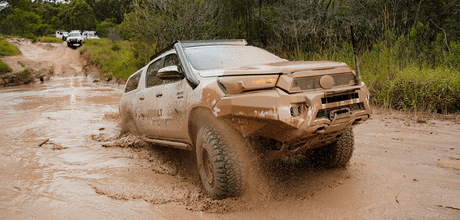
After mud
Remove heavy mud before it dries hard. Check drain points, bash plates, suspension areas and the radiator or intercooler where appropriate. Do not force high pressure into seals, electrical connections or delicate cooling fins.
Normal road use
Inspect and wash based on visible grime, coastal exposure, rain, roadworks and storage. A daily driver in a dry inland garage needs a different routine from one parked beside the ocean.

Boat and PWC wash frequency
After saltwater
Flush and wash after every use. Salt reaches the cooling system, hull, pump area, fittings and trailer. Follow the owner's manual for engine-on, water-on and shutdown order.
After freshwater
Freshwater use can still leave algae, mud, fuel residue, insects and organic material. Inspect after each trip, rinse as needed and complete scheduled maintenance even when salt is not involved.
During storage
A stored vessel still needs inspections. Check covers, ventilation, drain points, battery condition, trailer tyres and signs of moisture or pests. Do not assume a cover has kept everything dry.

Caravan wash frequency
Wash after coastal stays, muddy access roads, insect-heavy travel and long towing periods in rain. Pay attention to the chassis, stabiliser legs, suspension, steps, stone guard, awning hardware and roof fittings.
Before pressure washing, check the caravan manufacturer's instructions. Keep concentrated pressure away from seals, vents, appliance openings, bearings and electrical equipment.
A simple exposure-based guide
-
Saltwater or beach exposure: wash as soon as practical after every trip
-
Heavy mud or clay: remove before it hardens
-
Coastal parking or storage: inspect frequently and wash when residue builds
-
Normal sealed-road use: maintain a routine based on grime and conditions
-
Long-term storage: clean before storage and inspect during storage
-
Before applying protection: always start with a clean, fully dry surface
When you should wash sooner
-
Visible salt film or chalky residue
-
Mud packed into wheel arches or guards
-
Dirty water draining from chassis openings
-
Strong onshore winds or storm spray
-
A cover placed over damp equipment
-
Bird droppings, insects or tree sap on finishes
-
Before an inspection, service or protective coating
Do not overcorrect with aggressive cleaning
Frequent care does not require maximum pressure or harsh chemicals. Match the method to the surface. Use softer tools on paint, plastics and gelcoat. Maintain distance around seals, wiring and bearings. More force is not automatically more thorough.
Where Salt Shift can help
Salt Shift kits are organised around the type of vehicle, exposure and water source available. The exposure still decides when the equipment needs to be used.
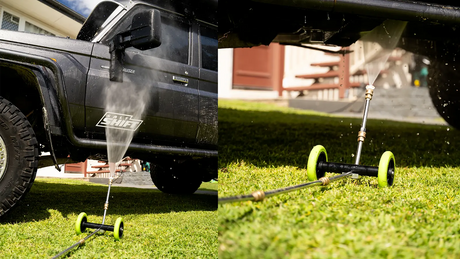
The Ultimate Off-Road Wash Kit supports a complete 4WD routine by covering exterior, underbody and accessible chassis cleaning.
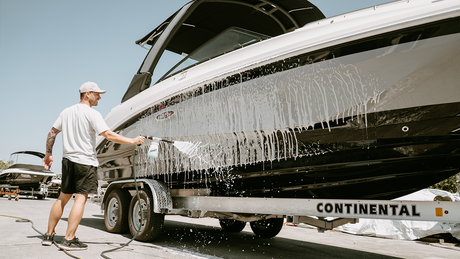
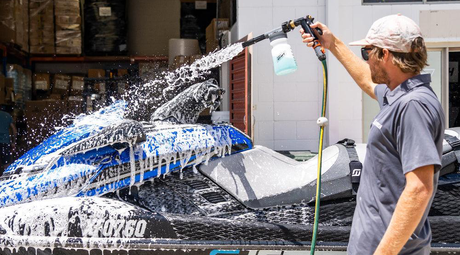
For boats and PWCs, the Ultimate Marine Care Kit covers exterior cleaning, compatible engine flushing and post-wash protection.
Always follow the vehicle, vessel, engine and caravan manufacturer’s instructions. Confirm product compatibility before cleaning delicate finishes, protective coatings or sealed components.
Frequently asked questions
Can washing a vehicle too often cause damage?
Poor technique can. Harsh chemicals, dirty brushes and concentrated pressure can damage finishes and seals. Correct products and gentle, thorough methods are suitable for regular care.
Should I wash before long-term storage?
Yes. Remove contamination, dry the equipment properly and complete the manufacturer storage procedure. Storing salt, mud or moisture gives it more time to cause problems.
Is rinsing enough after saltwater use?
A thorough fresh-water rinse is essential, but a complete routine also covers the engine procedure, hidden areas, trailer, drying and inspection.