
How to Clean Your 4WD After Beach Driving
Beach driving puts salt, sand and fine grit into places a normal driveway wash rarely reaches. The paint may look clean after a quick rinse, while residue remains inside chassis rails, around suspension components and across the underbody. That is why a proper post-beach wash is about access, not extra scrubbing.
The best routine works from the least visible areas out: flush the chassis, clean the underbody, wash the exterior, then check the engine bay and finish with protection where needed. It is simple, repeatable and far more useful than waiting until corrosion is visible.
Queensland Parks also notes that vehicles travelling through coastal and island areas can be exposed to salt air and salt spray, even when they are not being driven directly through seawater.
Why a normal hose rinse is not enough
Saltwater and wet sand travel through drain holes, seams and open chassis sections as you drive. Once the water evaporates, salt residue can remain behind. A hose aimed from the side may remove loose material from visible surfaces, but it cannot consistently direct water through the length of a chassis rail or up into the underside.
This does not mean every beach trip causes instant damage. It means the places most exposed to salt deserve attention every time. Regular care is easier than trying to correct years of build-up later. If you want a deeper look at the areas most often missed, read our guide to why underbody cleaning is essential for your 4WD.
What you need before you start
- A garden hose or pressure washer, depending on your wash setup
- A chassis flusher that can move water through internal rails
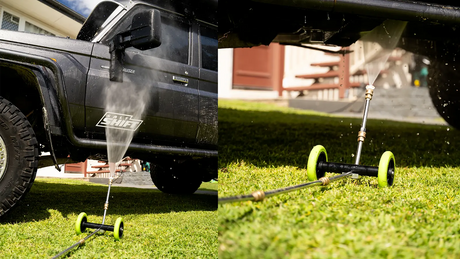
- An underbody cleaning tool that directs spray upward
- A vehicle-safe wash formula suited to salt, mud and road grime
- A soft wash mitt or brush for painted exterior surfaces
- Enough time for the vehicle to cool before washing
Park on a stable surface with suitable drainage. Make sure the exhaust, brakes and engine bay components are no longer hot. Check your vehicle handbook before directing water near sensitive electrical parts, breathers or aftermarket equipment.
The post-beach 4WD wash routine
1. Remove heavy sand first
Start with wheel arches, side steps, bash plates and other areas holding obvious sand. Use a controlled rinse rather than forcing material deeper into joins. Clearing the heavy build-up first also stops it being dragged across painted panels later.
2. Flush inside the chassis
Position a 4x4 chassis flusher at the recommended access point and work through each section methodically. The goal is to move water and loosened residue toward an exit, not spray one opening for a few seconds and hope for the best.
Work rail by rail and watch what comes out. If the runoff is still carrying sand or mud, continue until it clears. For the Salt Shift setup, follow the chassis flusher instructions for connection, placement and flushing time.
3. Clean the underbody
Move an underbody blaster slowly beneath the vehicle so the spray reaches crossmembers, suspension areas, guards and exposed metal. Use overlapping passes. Rushing this step can leave strips untouched, especially on wider vehicles.
For a deeper post-beach clean, an undercarriage and chassis wash can help break down salt, mud and grime in the areas a normal exterior wash does not reach.
4. Wash from the top down
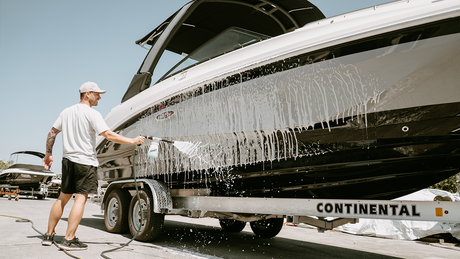
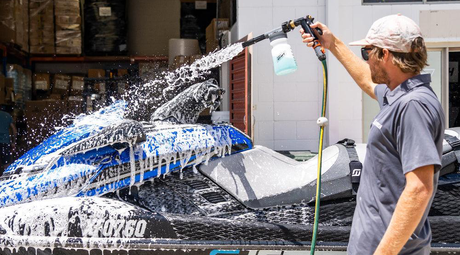
Apply a salt-removing vehicle wash across the roof, glass, panels, wheels and accessible underside. Salt Shift's 4x4 & Caravan Wash is designed for post-beach and off-road cleaning and can be used with a foam cannon or foam gun.
Allow the product to work for the stated dwell time, but do not let it dry on the surface. Agitate stubborn areas with the correct brush or mitt where needed, then rinse thoroughly from the top down.
5. Don't forget the engine bay
Once the engine is completely cool, remove any loose sand or debris from the engine bay. For greasy or heavily soiled areas, apply a suitable engine-safe cleaner such as Salt Shift Heavy Duty Degreaser and agitate where needed with a detailing brush.
Rinse carefully, avoiding concentrated high-pressure spray around electrical connections, exposed intakes and other sensitive components. Allow any trapped water to drain and dry before moving on. Always follow your vehicle manufacturer's care guidance.
6. Inspect, dry and protect
Check seams, wheel arches, drain points, the engine bay and accessories for trapped sand or water. Let everything drain fully, then dry painted and easy-to-reach surfaces.
Once exposed metal is properly cleaned and completely dry, a protective coating such as 4x4 Rust Shield can be applied as part of your ongoing maintenance routine. Always follow the application and curing instructions, and never apply protective coatings over trapped sand, salt or moisture.
Common post-beach wash mistakes
- Waiting several days before washing the vehicle
- Cleaning the paint but skipping the chassis and underbody
- Moving an underbody sprayer too quickly
- Letting wash formula dry in direct sun
- Applying a protective coating over trapped sand, salt or moisture
- Using aggressive pressure too close to seals, wiring or delicate finishes
How soon should you wash your 4WD after the beach?
Wash it as soon as practical after the trip, ideally the same day. If that is not possible, complete a thorough rinse and schedule the full chassis, underbody and exterior wash at the first opportunity. Consistency matters more than turning one wash into an all-day detailing job.
If you are still planning your next run, RACQ's beach driving tips cover tyre pressures, tides, permits and other preparation before you hit the sand.
A better habit for every beach trip
The easiest routine is the one already packed before you leave. Keep the required connectors together, check your wash formula level and make sure the flusher and blaster are ready to use. When the process is straightforward, it is far more likely to happen after every run.
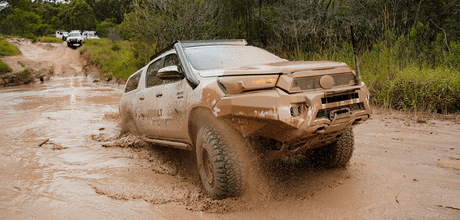
That same approach applies after muddy tracks and general off-roading too. Our guide to washing your 4WD after off-roading covers a broader clean-up routine, while the Salt Shift crew's Moreton Island trip shows why chassis and underbody cleaning become part of the post-trip routine after days on the sand.
Your 4WD does not need to look neglected for salt and sand to be sitting underneath it. Clean what you can see, flush what you cannot, and protect the vehicle you rely on.
Where Salt Shift can help
The Salt Shift Ultimate Off-Road Wash Kit brings the main parts of the post-beach process into one setup, including exterior washing, underbody cleaning and chassis flushing.
For individual parts of the routine:
- The 4x4 Magnetic Chassis Flusher is designed to flush salt, sand, mud and grime from inside chassis rails.
- The Underbody Blaster Off-Road Salt & Mud Kit directs cleaning solution and water into hard-to-reach underbody areas.
- The 4x4 & Caravan Wash is designed for salt, mud and road grime across exterior and off-road vehicle surfaces.
- The Heavy Duty Degreaser can be used on a cool engine for tougher grease and grime.
- 4x4 Rust Shield can be applied to properly cleaned and completely dry exposed metal as part of an ongoing protection routine.
Always follow the product directions and the care requirements for your vehicle and any aftermarket accessories.
Frequently asked questions
Can I clean my 4WD after beach driving with a garden hose?
Yes. A garden hose can handle regular rinsing and can power the Salt Shift chassis flusher. The important part is directing water into the areas a standard hose nozzle cannot reach effectively, particularly inside the chassis rails.
Should I use a pressure washer under my 4WD?
A pressure washer can improve underbody cleaning when used with the right attachment and sensible distance. Avoid directing concentrated pressure at electrical connectors, seals, bearings or damaged coatings, and always follow the vehicle manufacturer's guidance.
Do I need to wash the 4WD if it did not touch seawater?
Yes. Beach sand, salt spray and coastal air can still leave salt residue on and underneath the vehicle even if you stay above the waterline.
What is the most important area to clean after beach driving?
The chassis and underbody deserve the most attention because salt, sand and moisture can remain hidden there after the exterior already looks clean. A complete routine should still include the exterior, wheel arches, engine bay and any accessories exposed during the trip.
Can I apply rust protection straight after washing?
Only once the surface is properly cleaned and completely dry. Applying a coating over trapped salt, sand or moisture can work against the result you are trying to achieve. Follow the specific product instructions for surface preparation, tack time and curing before returning to beach or wet-road use.